
Horseshoe Bay Flower Planting Services
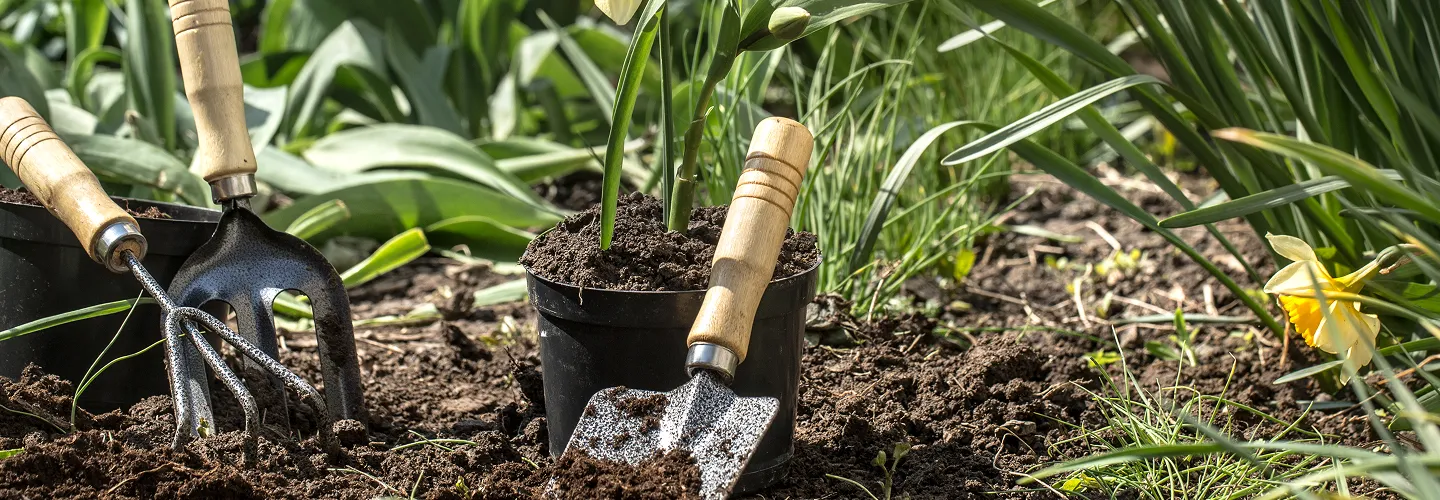
Choose our Flower Planting service for expert design, premium plants, and vibrant displays that thrive in Horseshoe Bay’s unique climate—bringing lasting color and curb appeal to your home.
Get a Free QuoteOur Horseshoe Bay Landscaping & Yard Care Services
When to Schedule Flower Planting in Horseshoe Bay, Texas – Seasonal Guide
Flower planting in Horseshoe Bay, Texas, is best scheduled with careful attention to the region’s unique climate and landscape. The optimal planting windows typically fall in early spring (late February to early April) and again in early fall (late September to October), when temperatures are moderate and rainfall is more predictable. These periods allow new plantings to establish strong root systems before the intense summer heat or occasional winter frosts.
Local factors such as the proximity to Lake LBJ, the rolling terrain of Applehead Island, and the shaded lots in neighborhoods like Blue Lake Estates all play a role in determining the best time for planting. Soil in Horseshoe Bay tends to be alkaline and rocky, requiring amendments for many flower varieties. Additionally, the area’s susceptibility to drought and municipal watering restrictions—details of which can be found on the city’s official website—should be considered when planning your planting schedule.
Local Factors to Consider for Flower Planting in Horseshoe Bay
- Tree density and shade coverage, especially in established neighborhoods
- Soil composition and drainage, which can vary between waterfront and hillside properties
- Average precipitation and risk of drought during summer months
- Frost dates, typically late November to early March
- Municipal watering restrictions and HOA guidelines
- Terrain slope, which affects water runoff and soil erosion
- Proximity to landmarks like Slick Rock Golf Course, which may influence microclimates
Benefits of Flower Planting in Horseshoe Bay
Enhanced Curb Appeal
Increased Property Value
Expert Plant Selection
Seasonal Color Variety
Low Maintenance Solutions
Professional Landscaping Team
Horseshoe Bay Flower Planting Types

Annual Flower Beds
-
Perennial Garden Design
-
Native Wildflower Plantings
-
Seasonal Color Rotations
-
Pollinator-Friendly Gardens
-
Container Flower Arrangements
-
Shade-Loving Flower Installations
Our Flower Planting Process
Site Evaluation
Soil Preparation
Plant Selection
Careful Planting
Watering and Mulching
Why Choose Horseshoe Bay Landscape Services
Horseshoe Bay Homeowners Trust Us
-
Expert Lawn Maintenance
-
Reliable Irrigation Solutions
-
Comprehensive Weed Control
-
Seasonal Clean-Up Services
-
Competitive Pricing
-
Professional and Courteous Team
-
Satisfaction Guarantee
Soil Series and Drainage Considerations for Flower Planting in Horseshoe Bay
Flower planting in Horseshoe Bay requires careful attention to the city’s predominant soil types, which include Houston Black clay and Brackett gravelly clay loam, as identified by the USDA Web Soil Survey. These soils are characterized by moderate to poor drainage and a pH range typically between 7.2 and 8.0, which can impact nutrient availability for many ornamental species. Before planting, it is recommended to incorporate 2-3 inches of compost tilled to a 6-inch depth to improve organic matter and drainage. Soil testing, available through Texas A&M AgriLife Extension, is advised to determine amendment needs. For areas with compacted soils, core aeration to a depth of 3 inches is beneficial. Avoid planting in low-lying areas prone to waterlogging, and maintain a 25-foot buffer from any mapped wetlands or drainageways to comply with local ordinances.
Horseshoe Bay Environmental Resources
1 Community Drive, Horseshoe Bay, TX 78657
Phone: (830) 598-8741
Official Website: Horseshoe Bay Environmental Resources
Optimal Flower Planting Windows and Climate Zone Guidance for Horseshoe Bay
Horseshoe Bay is located in USDA Hardiness Zone 8b, with average annual minimum temperatures of 15-20°F. The optimal window for planting most annual and perennial flowers is from March 1 to April 15, when soil temperatures reach 55°F and the risk of frost has passed. Fall planting of hardy perennials is best completed between October 1 and November 15. Avoid planting during the peak summer months (June-August) due to high heat stress and potential water restrictions. Monitor local weather forecasts through the National Weather Service Austin/San Antonio office for frost advisories and rainfall patterns. Key timing recommendations include:
- Spring planting: March 1 – April 15 (soil temp 55°F+)
- Fall planting: October 1 – November 15
- Avoid: June-August (heat/drought risk)
- Monitor: NWS advisories for late frost or heavy rain
Navigating Horseshoe Bay’s Municipal Regulations for Flower Bed Installation
All flower bed installations in Horseshoe Bay must comply with city zoning and landscape ordinances, including setback requirements and permitted species lists. Flower beds must maintain a minimum 5-foot setback from public sidewalks and a 25-foot buffer from mapped wetlands or drainage easements. Installation of raised beds over 18 inches in height or retaining walls requires a permit from the city, with a standard application fee of $50 and a review period of 7-10 business days. Equipment operation for landscape work is permitted:
- Monday-Friday: 7:00 AM – 7:00 PM
- Saturday: 8:00 AM – 6:00 PM
- Sunday/Holidays: Prohibited
Noise levels must not exceed 85 dB at property lines. For detailed requirements and permit applications, coordinate with the city’s zoning office.
Horseshoe Bay Zoning
1 Community Drive, Horseshoe Bay, TX 78657
Phone: (830) 598-8741
Official Website: Horseshoe Bay Zoning
Environmental Compliance: Stormwater, Buffer Zones, and State Law in Horseshoe Bay
Flower planting activities in Horseshoe Bay must adhere to both municipal and state environmental regulations, including the Texas Water Code and the Clean Water Act. The city operates under a Municipal Separate Storm Sewer System (MS4) permit, prohibiting soil, mulch, or plant debris from entering storm drains. Maintain a 25-foot no-disturbance buffer from all mapped wetlands and a 50-foot setback from Lake LBJ’s shoreline. Fertilizer and pesticide applications are restricted within 50 feet of water bodies. For compliance, follow these steps:
- Use biodegradable mulch and avoid plastic sheeting
- Collect and dispose of plant debris in approved containers
- Schedule work to avoid heavy rain events
- Submit erosion control plans for projects over 500 sq ft
Texas Commission on Environmental Quality
12100 Park 35 Circle, Austin, TX 78753
Phone: (512) 239-1000
Official Website: Texas Commission on Environmental Quality
Selecting Native and Drought-Tolerant Flower Species for Horseshoe Bay Landscapes
Given Horseshoe Bay’s hot, dry summers and alkaline soils, selecting appropriate flower species is essential for sustainable planting. Recommended native and adapted species include:
- Black-eyed Susan (Rudbeckia hirta)
- Winecup (Callirhoe involucrata)
- Autumn sage (Salvia greggii)
- Mexican bush sage (Salvia leucantha)
- Purple coneflower (Echinacea purpurea)
- Rock rose (Pavonia lasiopetala)
For full sun, plant species 12-18 inches apart; for partial shade, increase spacing to 18-24 inches. Deer-resistant options such as Russian sage and lantana are suitable for open areas. Consult Texas A&M AgriLife Extension for additional plant lists and guidance on soil amendments. Incorporate 2-3 inches of compost and consider drip irrigation to conserve water and comply with city conservation goals.
What Neighborhoods Do We Serve Throughout Horseshoe Bay, TX?
- Applehead Island: Features well-drained, gravelly soils and proximity to Lake LBJ, requiring careful buffer management and selection of salt-tolerant species for waterfront properties.
- Horseshoe Bay West: Characterized by expansive clay soils with moderate drainage; large lots and mature landscaping necessitate soil amendment and deer-resistant plantings.
- Horseshoe Bay Proper: Includes a mix of older and newer homes, with compacted soils and smaller lot sizes; HOA guidelines may restrict certain flower bed designs and species.
- Blue Lake Estates: Located near golf courses and rolling terrain, this area faces slope management challenges and benefits from erosion control measures during planting.
- The Highlands: Newer development with engineered soils and modern irrigation infrastructure, allowing for a wider range of ornamental species but requiring compliance with strict setback and buffer ordinances.
- Pecan Creek: Adjacent to natural creek corridors and conservation areas, necessitating adherence to wetland buffer requirements and use of native, low-impact species.