
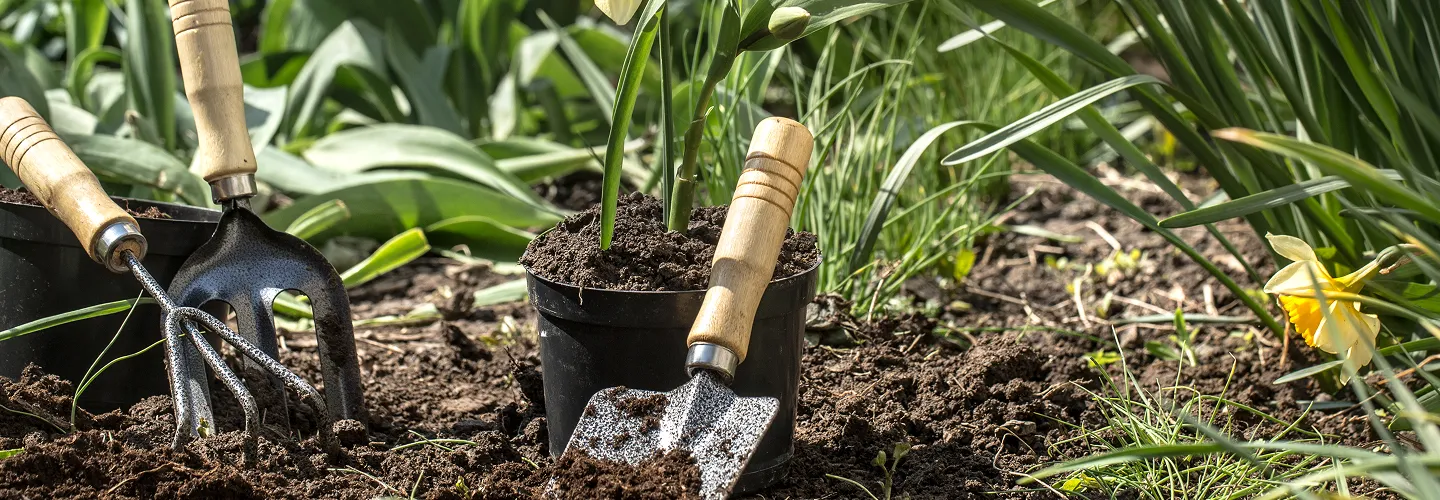
Horseshoe Bay Plant Removal Services
Choose our plant removal experts for safe, thorough, and eco-friendly solutions that restore your landscape’s beauty and health—no job is too big or small for our experienced team.
Get a Free QuoteOur Horseshoe Bay Landscaping & Yard Care Services
When to Schedule Plant Removal in Horseshoe Bay, Texas – Seasonal Guide
In Horseshoe Bay, Texas, timing your plant removal is crucial for both the health of your landscape and the efficiency of the process. The region’s climate features hot, humid summers and mild winters, with the last frost typically occurring in early March and the first frost arriving in late November. For neighborhoods near Lake LBJ or along Bay West Boulevard, scheduling plant removal in late winter or early spring allows you to avoid peak heat and humidity, while also preparing your yard for new growth.
Local environmental factors such as drought risk, heavy clay soils, and varying shade coverage—especially in areas like Applehead Island or near Slick Rock Golf Course—can impact the best time for removal. It’s also important to consider municipal guidelines and local restrictions, which can be found on the official Horseshoe Bay website. Consulting with a local expert ensures your project aligns with both seasonal weather patterns and community standards.
Local Factors to Consider for Plant Removal in Horseshoe Bay
- Tree and shrub density in your yard
- Soil type (sandy vs. clay-heavy)
- Proximity to water features like Lake LBJ
- Recent precipitation and drought conditions
- Shade coverage from mature trees
- Municipal restrictions or HOA guidelines
- Terrain slope and accessibility
Benefits of Plant Removal in Horseshoe Bay
Expert Landscaping Team
Efficient Plant Removal
Eco-Friendly Disposal
Improved Curb Appeal
Customized Solutions
Competitive Pricing
Horseshoe Bay Plant Removal Types

Invasive Species Removal
-
Tree Stump Extraction
-
Shrub and Bush Clearing
-
Root System Removal
-
Overgrown Garden Cleanup
-
Weed Eradication
-
Dead Plant Disposal
Our Plant Removal Process
Site Evaluation
Preparation and Safety Measures
Plant Extraction
Debris Removal
Site Restoration
Why Choose Horseshoe Bay Landscape Services
Horseshoe Bay Homeowners Trust Us
-
Expert Lawn Maintenance
-
Reliable Irrigation Solutions
-
Comprehensive Weed Control
-
Seasonal Clean-Up Services
-
Competitive Pricing
-
Professional and Courteous Team
-
Satisfaction Guarantee
Plant Removal Ordinances and Permit Requirements in Horseshoe Bay
Plant removal activities in Horseshoe Bay are governed by municipal ordinances designed to protect native vegetation, prevent erosion, and maintain community standards. Removal of trees over 6 inches in diameter at breast height (DBH) or any vegetation within 50 feet of Lake LBJ or designated wetlands requires a permit from the city. Application fees typically range from $50 to $75, with a review period of 7-10 business days. Equipment operation is permitted:
- Monday-Friday: 7:00 AM - 7:00 PM
- Saturday: 8:00 AM - 6:00 PM
- Sunday and holidays: Prohibited Permit applications must include a site plan, species inventory, and erosion control measures. For properties in planned developments or near conservation areas, additional review by the Planning and Zoning Commission may be required.
Horseshoe Bay Planning and Zoning Commission
1 Community Drive, Horseshoe Bay, TX 78657
Phone: (830) 598-8741
Official Website: Horseshoe Bay Planning and Zoning Commission
Soil Series and Site Conditions Affecting Plant Removal in Horseshoe Bay
Horseshoe Bay’s landscape is dominated by Brackett-Rock outcrop complex and Tarrant soils, which are shallow, well-drained, and often overlay limestone bedrock. These soils typically have a pH of 7.5-8.2, requiring careful consideration when removing deep-rooted plants to avoid destabilizing slopes or exposing rock. Soil compaction is common in developed areas, especially near golf courses and waterfront properties, increasing runoff risk after vegetation removal. Best practices include:
- Conducting a USDA Web Soil Survey before planning removal
- Maintaining a 25-foot vegetative buffer along streams and lake edges
- Incorporating 2-3 inches of compost to restore organic matter post-removal
- Scheduling removal when soil moisture is moderate to minimize erosion For technical guidance, consult Texas A&M AgriLife Extension for soil testing and amendment recommendations.
Environmental Compliance: Stormwater, Wetlands, and Buffer Zones in Horseshoe Bay
Plant removal near Horseshoe Bay’s sensitive areas, including Lake LBJ, Slick Rock Creek, and mapped wetlands, must comply with federal Clean Water Act standards and the city’s MS4 stormwater permit. The Texas Commission on Environmental Quality (TCEQ) prohibits discharge of plant debris or sediment into storm drains. Key requirements include:
- 25-foot no-disturbance buffer from wetlands and streams
- No fertilizer or herbicide application within 50 feet of water bodies
- Use of silt fencing or wattles on slopes exceeding 10%
- Weekly inspection of erosion controls during removal projects Violations may result in fines or stop-work orders. For regulatory details, refer to Texas Water Code and coordinate with the city’s Environmental Resources office.
Horseshoe Bay Environmental Resources
1 Community Drive, Horseshoe Bay, TX 78657
Phone: (830) 598-8741
Official Website: Horseshoe Bay Environmental Resources
Texas Commission on Environmental Quality (TCEQ)
12100 Park 35 Circle, Austin, TX 78753
Phone: (512) 239-1000
Official Website: Texas Commission on Environmental Quality
Municipal Debris Collection and Disposal Procedures for Plant Removal
Proper disposal of plant debris is essential to maintain compliance with Horseshoe Bay’s waste management ordinances. The Department of Public Works provides weekly curbside collection every Thursday from April through November. Accepted materials include:
- Leaves, grass clippings, and brush under 4 feet in length
- Bundled branches (max 4-inch diameter)
- Biodegradable bags or 32-gallon reusable bins only Prohibited items: plastic bags, stumps, and branches over 4 inches in diameter. Large-scale removal projects may require a temporary debris container permit (fee: $35). Debris must not obstruct sidewalks or storm drains. For detailed schedules and container guidelines, contact the Department of Public Works.
Horseshoe Bay TX Public Works
1 Community Drive, Horseshoe Bay, TX 78657
Phone: (830) 598-8741
Official Website: Horseshoe Bay TX Public Works
Safety Protocols and Equipment Standards for Plant Removal in Horseshoe Bay
All plant removal operations in Horseshoe Bay must adhere to municipal safety standards and equipment regulations. Operators are required to use:
- ANSI Z87.1 safety glasses
- Hearing protection for equipment exceeding 85 dB
- Steel-toed boots and cut-resistant gloves
- High-visibility vests when working within 50 feet of public roads Maintain a 15-foot clearance from overhead power lines and follow city noise ordinances for equipment operation. Commercial-grade chippers and saws must be inspected every 25 hours of use. For work near public infrastructure, traffic control measures such as cones and signage are mandatory. The city’s Engineering Department provides guidance on safe work zones and equipment standards.
Horseshoe Bay Engineering Department
1 Community Drive, Horseshoe Bay, TX 78657
Phone: (830) 598-8741
Official Website: Horseshoe Bay Engineering Department
What Neighborhoods Do We Serve Throughout Horseshoe Bay, TX?
- Applehead Island: Features dense landscaping and proximity to Lake LBJ, requiring careful debris management and strict buffer compliance for plant removal near water.
- Horseshoe Bay West: Characterized by shallow, rocky soils and sloped lots, necessitating erosion control and specialized equipment for safe removal.
- Horseshoe Bay Proper: Includes mature trees and established gardens, with HOA guidelines influencing removal methods and disposal practices.
- Blue Lake Estates: Located near golf courses and open spaces, this area faces soil compaction and runoff challenges, especially after large-scale removals.
- The Highlands: Newer development with compacted fill soils and narrow access points, requiring coordination for debris container placement and traffic safety.
- Pecan Creek: Adjacent to creek corridors and wetlands, plant removal here must observe 25-foot buffer zones and enhanced erosion controls.
- Escondido: Gated community with strict landscaping standards and limited equipment access, emphasizing compliance with HOA and city ordinances.