
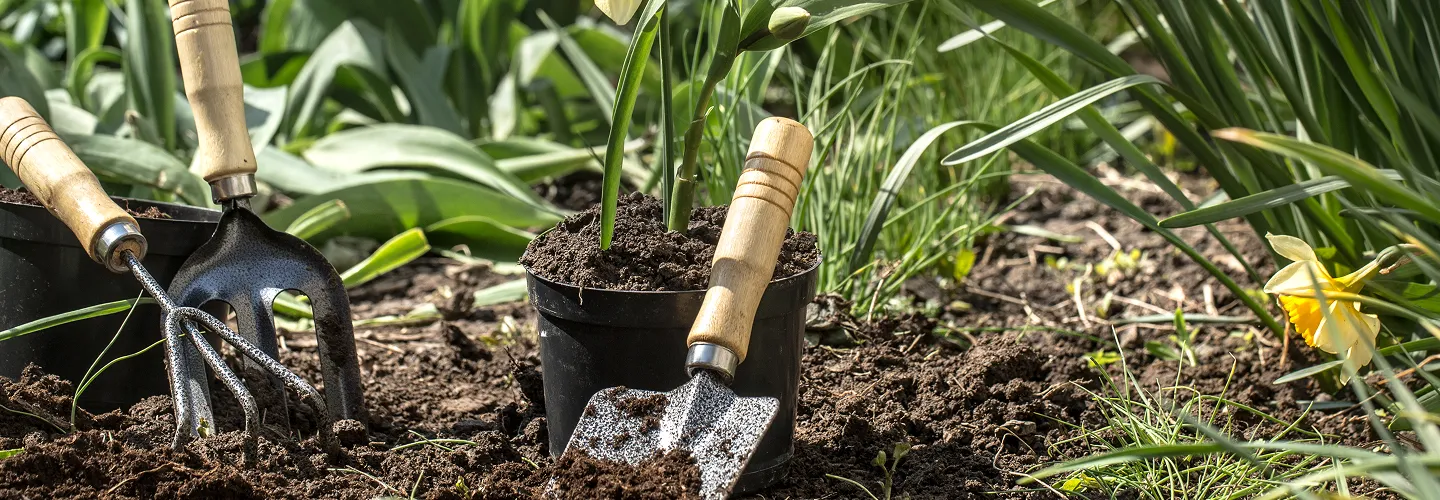
Horseshoe Bay Green Waste Disposal Services
Choose our Green Waste Disposal for reliable, environmentally responsible service that keeps your property tidy and supports a healthier planet—experience hassle-free pickups and sustainable practices you can trust.
Get a Free QuoteOur Horseshoe Bay Landscaping & Yard Care Services
When to Schedule Green Waste Disposal in Horseshoe Bay, Texas – Seasonal Guide
In Horseshoe Bay, Texas, the best times to schedule green waste disposal are closely tied to the region’s unique climate and landscape. With mild winters and hot, humid summers, most homeowners find that late winter through early spring is ideal for clearing away fallen branches, leaves, and other yard debris before new growth begins. This timing also helps prepare properties in neighborhoods like Applehead Island and Blue Lake Estates for the active growing season, reducing the risk of pest infestations and promoting healthy landscapes.
Local environmental factors such as the area’s average last frost date in early March, periodic drought conditions, and the prevalence of shade from mature oaks and pecans all play a role in determining the optimal disposal schedule. Soil types in Horseshoe Bay, ranging from sandy loam to rocky outcrops, can affect how quickly organic material breaks down, making regular green waste removal especially important. For more information on local guidelines and best practices, visit the official municipal resource.
Local Factors to Consider for Green Waste Disposal in Horseshoe Bay
- Tree density and types (live oaks, pecans, cedar)
- Terrain and slope, especially near Lake LBJ and hillside properties
- Seasonal precipitation patterns and drought risk
- Municipal restrictions on burn bans or disposal methods
- Shade coverage impacting debris accumulation
- Soil composition affecting decomposition rates
Benefits of Green Waste Disposal in Horseshoe Bay
Eco-Friendly Landscaping Solutions
Efficient Green Waste Removal
Promotes Healthy Plant Growth
Reduces Landfill Waste
Enhances Curb Appeal
Supports Local Sustainability
Horseshoe Bay Green Waste Disposal Types

Grass Clippings
-
Tree Branches
-
Leaves and Foliage
-
Shrub Trimmings
-
Garden Weeds
-
Wood Chips
-
Plant Debris
Our Green Waste Disposal Process
Collection of Green Waste
Sorting and Separation
Transport to Disposal Facility
Eco-Friendly Processing
Why Choose Horseshoe Bay Landscape Services
Horseshoe Bay Homeowners Trust Us
-
Expert Lawn Maintenance
-
Reliable Irrigation Solutions
-
Comprehensive Weed Control
-
Seasonal Clean-Up Services
-
Competitive Pricing
-
Professional and Courteous Team
-
Satisfaction Guarantee
Coordinating Green Waste Collection with Horseshoe Bay’s Public Works Department
Green waste disposal in Horseshoe Bay is managed through municipal coordination to ensure compliance with city ordinances and environmental standards. The Department of Public Works oversees weekly curbside collection from April through November, with pickups scheduled every Thursday. Residents must use biodegradable bags or reusable bins (32-gallon maximum) for leaves, grass clippings, and brush under 4 feet in length. Plastic bags and branches over 4 inches in diameter are prohibited. Collection hours are strictly enforced:
- Monday-Friday: 7:00 AM - 7:00 PM
- Saturday: 8:00 AM - 6:00 PM
- Sunday and holidays: Prohibited
Improper disposal, such as placing debris in storm drains, may result in fines under city code. For detailed collection guidelines and ordinance compliance, contact:
Horseshoe Bay TX Public Works
1 Community Drive, Horseshoe Bay, TX 78657
Phone: (830) 598-8741
Official Website: Horseshoe Bay TX Public Works
Soil Series and Drainage Considerations for Green Waste in Horseshoe Bay
Horseshoe Bay’s predominant soils, including the Brackett-Rock outcrop complex and Tarrant soils, are characterized by shallow depth, moderate to high clay content, and variable drainage. According to the USDA Web Soil Survey, these soils often exhibit pH values between 7.2 and 8.0, with limited organic matter and a tendency toward compaction. When managing green waste, it is essential to avoid stockpiling debris on poorly drained sites or near slopes, as this can increase runoff and erosion risk. Best practices include:
- Composting on level, well-drained ground
- Maintaining a 25-foot buffer from Lake LBJ and local streams
- Avoiding placement within 50 feet of wetlands or protected areas
- Incorporating 2-3 inches of compost to improve soil structure
For soil testing and amendment recommendations, consult Texas A&M AgriLife Extension.
Environmental Compliance: Stormwater and Buffer Zone Regulations in Horseshoe Bay
Green waste disposal in Horseshoe Bay must comply with the city’s MS4 stormwater permit, which prohibits yard debris from entering storm drains or water bodies under the Clean Water Act. The Texas Commission on Environmental Quality (TCEQ) enforces buffer requirements, including a 25-foot no-disturbance zone from wetlands and a 50-foot setback from Lake LBJ. Key compliance steps include:
- Never deposit clippings or leaves in drainage ditches
- Maintain required buffers from all water features
- Use only approved containers for curbside collection
- Report illegal dumping to city authorities
For regulatory details, refer to Texas Water Code and contact:
Horseshoe Bay Environmental Resources
1 Community Drive, Horseshoe Bay, TX 78657
Phone: (830) 598-8741
Official Website: Horseshoe Bay Environmental Resources
Seasonal Timing and Weather Considerations for Green Waste Disposal in Horseshoe Bay
Proper timing of green waste disposal is critical in Horseshoe Bay’s USDA Hardiness Zone 8b, where average last frost occurs in early March and first frost in late November. The National Weather Service Austin/San Antonio Office provides local forecasts to guide optimal disposal windows. Key timing guidelines include:
- Spring cleanup: March 15 – May 15 (soil temp 55–65°F)
- Fall cleanup: October 1 – November 30 (before first frost)
- Avoid disposal during heavy rain events to prevent runoff
- Schedule brush removal before peak wildfire season (June–August)
Monitor weather conditions and adjust disposal activities accordingly to minimize environmental impact and ensure compliance with city schedules.
What Neighborhoods Do We Serve Throughout Horseshoe Bay, TX?
- Applehead Island: Features waterfront properties with shallow, rocky soils and strict HOA landscaping standards, requiring careful debris management to protect Lake LBJ.
- Horseshoe Bay West: Characterized by expansive clay soils and mature oak stands, this area faces challenges with drainage and large volumes of seasonal leaf drop.
- Horseshoe Bay Proper: Includes older developments with compacted soils and narrow streets, necessitating smaller collection equipment and adherence to city noise ordinances.
- Blue Lake Estates: Located near golf courses and parkland, this neighborhood has sandy loam soils and proximity to protected green spaces, requiring buffer compliance.
- The Highlands: Newer subdivision with larger lots, moderate slopes, and engineered drainage systems, where green waste must be managed to prevent stormwater issues.
- Pecan Creek: Bordered by riparian corridors and wetlands, this area demands strict adherence to buffer zones and careful placement of compost piles.
- Escondido: Gated community with luxury landscaping, high tree density, and HOA regulations that influence collection timing and debris container types.